How Often Can I Donate Plasma? A Practical Look at Frequency, Safety, and Impact
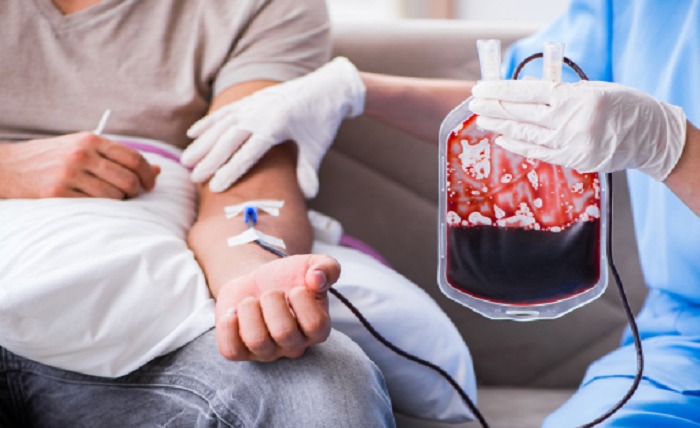
Plasma donation is one of those quiet, behind-the-scenes acts that keep modern medicine moving. It does not make headlines often, yet millions of patients rely on plasma-based therapies every year. From people with immune disorders to trauma patients in emergency rooms, donated plasma saves and improves lives in ways many donors never see firsthand.
If you have ever considered donating, one of the first questions that likely comes to mind is simple and important: How often can I donate plasma? The answer involves science, safety rules, and a clear understanding of how the human body replenishes itself. This article takes a closer look at plasma donation frequency, what happens in your body after a donation, and how to donate responsibly while making a real difference.
Understanding Plasma and Why It Matters
Plasma is the liquid portion of your blood. It makes up a little more than half of total blood volume and acts as the body’s transportation system. Plasma carries nutrients, hormones, proteins, and antibodies throughout the body. It also plays a major role in clotting, immune defense, and maintaining blood pressure.
When plasma is donated, it is not used directly. It is processed into lifesaving therapies that treat a wide range of conditions. These include hemophilia, immune deficiencies, liver disease, burn injuries, and certain neurological disorders. Unlike many medications that can be manufactured in labs, plasma-based therapies rely on human donors. There is no synthetic substitute.
Because demand continues to rise, plasma donation centers operate year-round and encourage repeat donations. That is where questions about donation frequency become especially important.
How Often Can I Donate Plasma?
In the United States, most plasma donation centers follow guidelines set by the Food and Drug Administration. These rules allow healthy adults to donate plasma up to two times within a seven-day period, with at least one day between donations.
In practical terms, this means you can donate plasma roughly twice a week, but not on consecutive days. For example, a Monday and Thursday schedule would be acceptable, while Monday and Tuesday would not.
Other countries may have slightly different guidelines, but they are generally similar. The focus everywhere is on donor safety and ensuring the body has enough time to recover between sessions.
It is worth noting that this frequency applies specifically to plasma donation, not whole blood. Whole blood donations are typically limited to once every eight weeks because red blood cells take longer to replenish. Plasma, on the other hand, is mostly water and proteins, which the body can replace more quickly.
Why Plasma Can Be Donated More Frequently
The reason plasma donation can happen more often lies in how the process works. During a plasma donation, a machine separates plasma from your blood and returns your red blood cells, white blood cells, and platelets back to your body. This process is called plasmapheresis.
Because you are not losing red blood cells, your body does not face the same recovery demands as it does after a whole blood donation. Plasma volume is usually restored within 24 to 48 hours, assuming you stay hydrated and maintain a balanced diet.
Plasma proteins take a bit longer to fully replenish, which is why donation limits still exist. The spacing between donations gives your body time to rebuild these proteins and maintain healthy levels.
What Happens to Your Body After Donation
After donating plasma, most people feel normal within a short period of time. Some donors report mild fatigue or lightheadedness, especially after their first few sessions. These effects usually fade quickly.
Your body responds by increasing plasma production almost immediately. The liver plays a key role in producing plasma proteins, while fluid balance is restored through hydration. Drinking water before and after donation makes a noticeable difference in how you feel.
Eating protein-rich foods also supports recovery. Foods like lean meats, eggs, beans, dairy, and nuts help your body rebuild plasma proteins more efficiently.
While frequent plasma donation is considered safe for healthy individuals, it is still important to listen to your body. If you feel unusually tired, weak, or unwell, it may be wise to take a longer break between donations and speak with a healthcare professional.
Safety Measures and Screening
One reason plasma donation has a strong safety record is the thorough screening process donors go through. Before each donation, you are checked for weight, temperature, blood pressure, and protein levels. You also answer questions about your health, medications, and recent travel.
These checks help ensure that donating plasma will not put you at risk. They also protect the quality of the plasma supply for patients who depend on it.
If your protein levels are too low or another measurement falls outside the acceptable range, you may be temporarily deferred. This is not a punishment or a failure. It is a safeguard designed to protect your health.
Long-Term Donation and Health Considerations
For people who donate plasma regularly, long-term health is a common concern. Research and decades of experience show that regular plasma donation is safe for most healthy adults when guidelines are followed.
That said, donation centers track cumulative donation volumes and protein levels over time. If your levels trend downward, staff may recommend reducing how often you donate or taking a break.
Maintaining a healthy lifestyle plays a major role in long-term donation success. Staying hydrated, eating balanced meals, getting enough sleep, and managing stress all support your body’s ability to recover.
It is also important to be honest during health screenings. Skipping details about how you feel or medications you are taking can increase risks for both you and the patients who receive plasma-based therapies.
Who Can and Cannot Donate Plasma
Most plasma donors are adults between the ages of 18 and 65, though some centers allow donors up to age 69 with medical clearance. Minimum weight requirements usually start at 110 pounds, though this can vary.
Certain conditions may prevent you from donating, either temporarily or permanently. These can include active infections, recent surgeries, certain chronic illnesses, or the use of specific medications.
Temporary deferrals are common and often short. For example, you may need to wait after getting a tattoo, traveling to certain countries, or recovering from an illness. Donation center staff can explain these rules clearly and help you understand when you may be eligible again.
The Time Commitment and Donation Experience
A typical plasma donation appointment lasts between 60 and 90 minutes, with the actual collection time usually around 30 to 45 minutes. First-time donors often spend more time due to paperwork, physical exams, and orientation.
The process itself is generally comfortable. You sit in a reclining chair while the machine does its work. Many donors bring headphones, watch videos, or read during the session.
After donation, you are encouraged to rest briefly and enjoy a snack or drink. This small recovery period helps reduce the chance of dizziness and makes the experience more pleasant.
Compensation and Motivation
In many countries, including the United States, plasma donors may receive compensation for their time. This compensation is not payment for plasma itself, but rather for the time and effort involved in donating.
While compensation can be a helpful incentive, many donors cite other motivations as well. Some appreciate the routine and structure. Others are driven by the knowledge that their plasma helps people with serious medical needs.
Understanding how often you can donate plasma allows you to make informed decisions that balance personal benefit with social impact.
Balancing Frequency With Responsibility
Just because you can donate plasma twice a week does not mean you must do so consistently. Some donors choose a less frequent schedule that fits better with their lifestyle and energy levels.
Responsible donation means knowing your limits, following medical advice, and prioritizing your health. Plasma donation works best as a long-term commitment when donors feel well and supported.
If you are ever unsure about your donation schedule, donation center staff and healthcare providers are valuable resources. Asking questions is part of being a responsible donor.
Why Your Donation Matters
Plasma therapies are often used for life-long treatment. Many patients require regular infusions just to maintain basic health. For them, a stable plasma supply is not optional. It is essential.
Each donation contributes to a larger system that transforms generosity into medicine. While the impact may feel abstract at times, it is very real for patients and families who depend on these treatments.
By understanding how often you can donate plasma and choosing to donate safely, you become part of that system in a meaningful way.
Final Thoughts
So, how often can I donate plasma? For most healthy adults, the answer is up to twice a week, with at least one day between donations. This schedule reflects careful science and decades of experience focused on donor safety and patient need.
Plasma donation is a commitment, but it is also an opportunity. With the right knowledge, preparation, and balance, it can be a safe and rewarding way to support modern medicine. Whether you donate occasionally or make it part of your routine, informed choices ensure that both you and the people who rely on plasma continue to benefit.